A task gets completed
→The person learns, participates, and has more control over how the task happens.Independent and Supported Living
Helping people build the life they choose.
ILS and SLS support shaped around each person’s goals, routines, choices, and community life.
Our approach: Listen, practice, notice, adjust.
For individuals, families, and Service Coordinators.

- Listen firstStart with the person’s goals, routines, choices, and communication.
- Prepare wellPrepare the plan, training, and coordination before support begins.
- Follow throughPractice, document, review, and adjust as life changes.
Regional Center pathways
Clear Regional Center information.
Explore RILC service pathways and status information without assuming eligibility, vendorization, authorization, availability, or coverage.
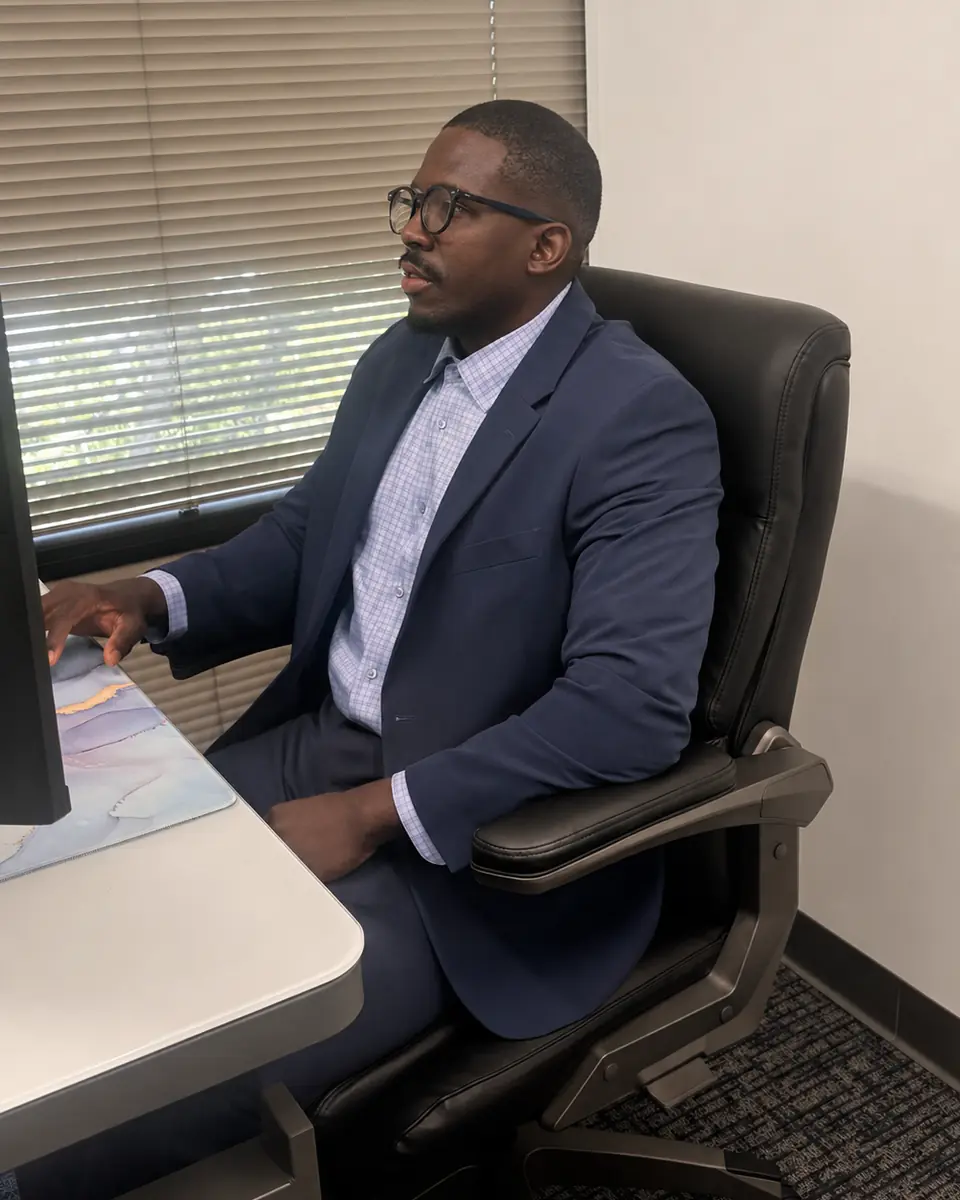
Leadership photographs. Settings shown are not RILC offices.

A clear place to begin
Start with what you need, not with a maze of pages.
Choose your role and move directly to what matters.
I’m exploring support
Understand ILS and SLS in plain language.
Compare the purpose, home setting, teaching model, support boundaries, and Regional Center pathway.
Compare services →I’m coordinating a referralReview fit before sharing details.
See the journey, first-message checklist, authorization boundaries, and information RILC does not request online.
Referral information →I’m interested in SLS workApply for an SLS Instructor position.
Complete the guided application, including qualifications, availability, experience, references, and résumé.
Apply here →The RILC Difference
Independence is not measured by doing everything alone. It is measured by having the right support to make meaningful choices, build confidence, and direct everyday life.
That belief changes what staff do, what progress means, and whose voice guides the work.
Read the RILC storyTask-first thinkingRILC’s person-centered practice
A routine is imposed
→Support adapts to the person’s communication, culture, pace, choices, and real environment.Staff become the decision-maker
→The person’s voice stays central, including the right to ask questions, refuse, change course, and take reasonable risks.Success means compliance
→Progress includes understanding, confidence, participation, self-advocacy, safety, and meaningful choice.Where learning becomes useful
Skills grow where life actually happens.
Support becomes meaningful when it connects to a person’s own routines, choices, relationships, home, and community, not to a one-size-fits-all schedule.

Everyday routines can build choice, participation, and confidence.

Practice connects information to real household goals.

Preparation and practice support community choice.
Illustrative scenes; people shown are not RILC clients or employees.
From question to support
A clear path, one step at a time.
Every situation is different, but the first steps should always be easy to understand.
How Referrals Work- 01
Talk with the planning team
Begin with the person’s goals, living situation, preferences, and support needs.
- 02
Ask a general question
Choose ILS or SLS, identify the Regional Center and share only a city or county.
- 03
Explore fit
RILC reviews the service pathway, location, communication needs, and current ability to support the request.
- 04
Plan and prepare
When the next steps are authorized, the team develops the individual plan and prepares staff and systems.
- 05
Review progress
The person and planning team review what is working, what has changed, and what should happen next.
Why RILC exists
Quality is not a polished promise. It is how people listen, prepare, teach, document, and follow through every day.
RILC founding principle · Karl L. Zambo Bakoa, Managing DirectorThe story behind RILC
Built around a clear operating standard.
RILC’s approach starts with a simple requirement: person-centered plans must be translated into respectful daily practice, careful preparation, clear documentation, and accountable follow-through.
That standard keeps the focus on the individual’s rights, voice, practical learning, safety, and community life.
Person-led goals Teaching in real life Accountable follow-through
Meet RILC Leadership SLS Instructor application
Apply here Apply here.
Complete the RILC SLS Instructor application, including your contact information, availability, experience, optional references, and résumé.
Questions families and professionals ask
Clear answers before private details.
Start here for the questions people ask most often.
Ask a General QuestionWhat is the difference between ILS and SLS?
ILS focuses on teaching and practicing specific everyday skills. SLS organizes broader support around an adult living in a home they own, lease, or rent.
How does a referral begin?
Start with the person’s Regional Center planning team. A short RILC inquiry can identify the service, Regional Center, city or county, and general question without sending private records.
Who authorizes and pays for services?
The Regional Center planning team determines eligibility, service authorization, and funding through the person-centered planning process.
Does RILC provide jobs or employment services?
No. ILS and SLS are not Supported Employment and do not provide job placement, job coaching, or worksite support.
Can family members be involved?
Yes, when the person wants or authorizes their involvement. The adult receiving services remains at the center of planning and decision-making.
Start with clarity
A thoughtful first conversation does not require private records.
Tell us your role, the service you are exploring, the Regional Center, a city or county, and your general question. Do not send confidential records through the website.